Fleabag
“The funniest show about grief ever made, and it knows it.”
- if you think British comedy is polite panel show banter
- if you don't watch comedies because they're not serious enough
- if you want a story about grief that doesn't announce itself
You don’t watch comedies. I know. The laugh track. The sitcom contrivance. The sense that somewhere a room of writers is checking whether the joke lands with a focus group before it reaches you. Most of them are made to be watched with half your brain. Fair enough.
Fleabag is not most of them.
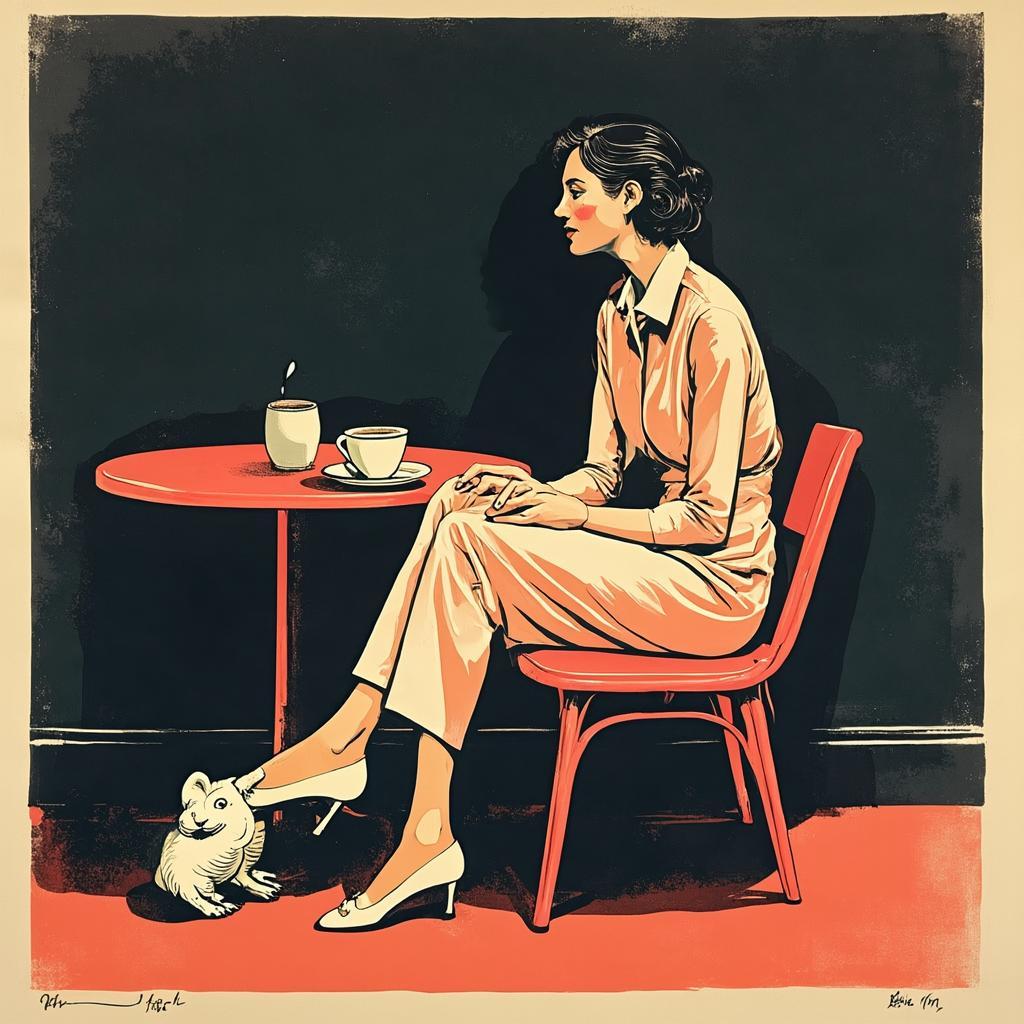
Twelve episodes. Two seasons. Done. Phoebe Waller-Bridge plays an unnamed woman running a failing café in London, sleeping with the wrong people, stealing a figurine from her sister, and talking directly to you — the camera, the viewer, the only person she’s honest with. That fourth wall isn’t a gimmick. It’s the actual mechanic of the show. Every glance to camera is her choosing you over the room, and the moment you understand why she does it is the moment the whole thing reorganises itself in your head. Series one hides it from you. Series two makes it the plot.
And here’s the craft bit you’ll appreciate: the device has rules, and the show breaks them deliberately. When someone in her life pays real attention to her — the Priest, in series two — she stops being able to look at you. The cut to camera fails. She’s stuck in the scene with everyone else. It’s a mechanic with a thesis: her detachment is the thing destroying her, and intimacy is what takes it away. You can describe that in a sentence, but watching it happen across a dinner scene is one of the best twelve minutes of television this country has produced.
The comedy is brutal and fast and specific — the guilt memorial, the foxes, “kneel”. Waller-Bridge writes like someone who knows exactly how funny a terrible person can be before you stop forgiving her, and then edges right up to that line and stays there. Andrew Scott’s Priest, Olivia Colman’s godmother, Sian Clifford’s sister — every performance is doing double work as a joke and a wound.
But the reason to watch is the structure. Twelve episodes. Two seasons. Ends. Series two doesn’t extend the premise, it detonates it — the show knows what its last scene is from the moment it starts building toward it, and it gets there without a filler minute. Nothing degrades. Nobody’s character gets flattened for a fourth season the broadcaster wanted. It’s the rare thing that stops exactly where stopping is the artistic choice, and you’ll spend the credits of the final episode understanding why.
It’s about grief, class, guilt, and a woman who weaponises charm because sincerity feels like dying. It’s also very, very funny — often in the same breath. If you think comedy can’t hit the heights drama does, this is the one that proves otherwise. Twelve episodes. One weekend. You’ll think about it for weeks.