Heat
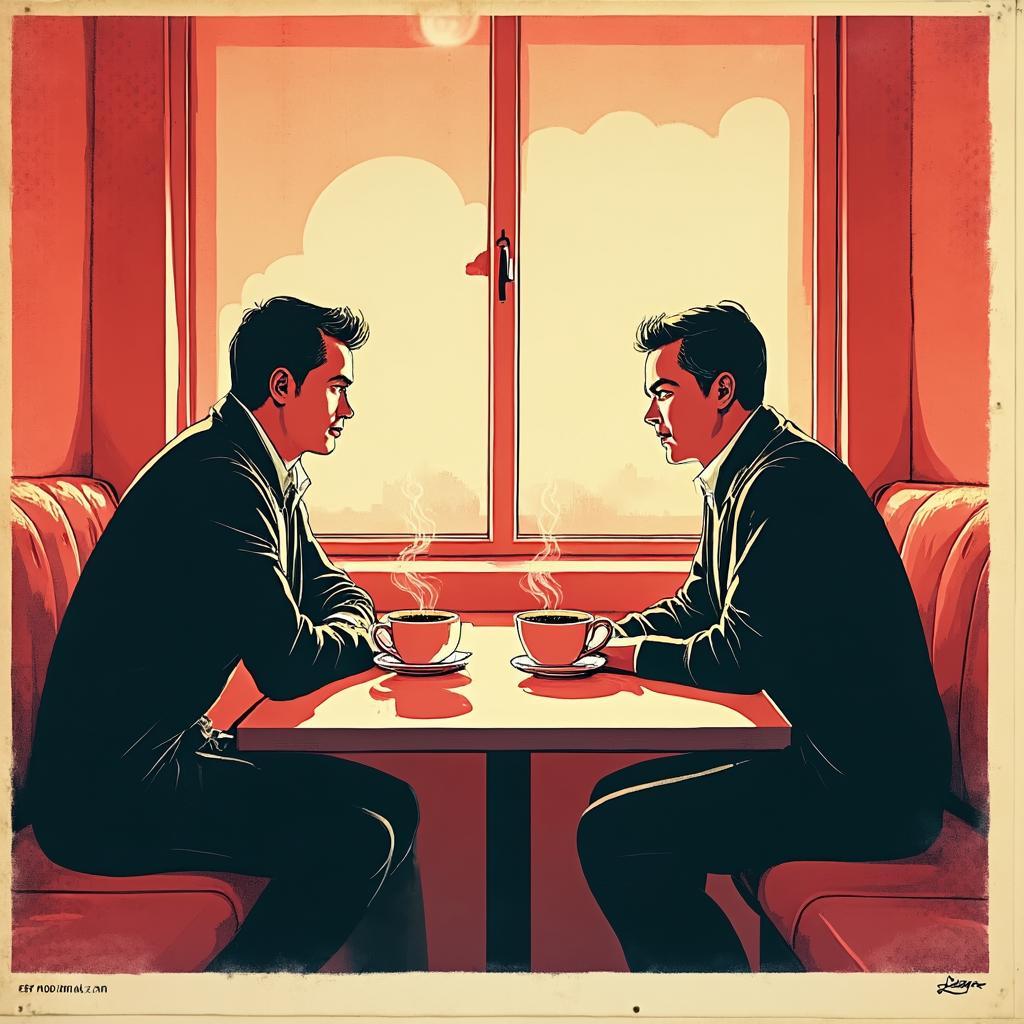
“Two men, one discipline, and the best diner scene ever filmed.”
- if you think older films are slow
- if you only watch action films for the set pieces
- if you've never sat through a three-hour drama
- if you think crime stories are about glamour
You don’t watch three-hour crime epics from 1995. I know. You’ve seen the cover — Pacino shouting, De Niro squinting — and filed it under “films your dad quotes.” It looks like a chunk of culture you’re expected to have absorbed by osmosis, like Oasis or Didcot Parkway.
Here’s what it actually is: the most disciplined film ever made about discipline.
Michael Mann shot Heat on real LA streets, at real night, with real professionals. Neil McCauley (De Niro) runs a crew that hits vaults and armoured cars and then evaporates. Vincent Hanna (Pacino) is the detective who matches him move for move. They’re mirrors — same precision, same cost, and the film’s whole argument is that the cost is everything. Neil’s rule: be able to walk away from anything in thirty seconds flat if you sense danger. He’s a man who’s applied version control to his own life, and the film is what happens when someone finally pushes to main.
The diner scene. Pacino and De Niro, on screen together for the first time, and Mann gives them coffee instead of gunfire. Twenty minutes of two professionals sizing each other up over biscuits, and it’s as tense as anything at the bank. There’s no music telling you how to feel. It’s just two men who respect each other completely and will still, given the chance, kill each other without hesitation. You will not blink for the whole scene.
Then the bank job. And if you know anyone who’s actually served — military, tactical, firearms — ask them about the shootout on the streets afterwards. It’s not studied as cinema. It’s studied as tactics. Real reloads under real cover, suppressive fire with actual discipline, the sound of each shot landing like a hammer because Mann recorded it without faking it. The entire sequence was choreographed so carefully that people whose job involves this stuff teach from it. Show me another film that’s on the syllabus for both film school and firearms instructors.
And that’s the register of the whole thing: craftsmanship in every frame. Mann shoots LA at night like it’s another planet — chrome and sodium light and emptiness. Val Kilmer’s crew does surveillance work that looks like an operator using a tool. Nobody mugs. Nobody winks. The film takes competence seriously as a moral position, and it’s honest enough to show what it costs.
This is not a glamorous crime film. Nobody’s having fun. It’s about two men who chose a shape for their lives and are slowly discovering the shape is a coffin. The ending, at LAX, on the runway, is one of the great scenes in American film, and I won’t spoil a frame of it — except to say it’s about the only moment in the film where either man lets the discipline slip.
It’s three hours. It moves like a heist. You’ll finish it, sit in the dark for a minute, and then you’ll be the person quoting it.
You didn’t watch it because it’s old. It’s old and it still wins. Watch it.