NieR: Automata
“The credits are the tutorial and the ending is the argument”
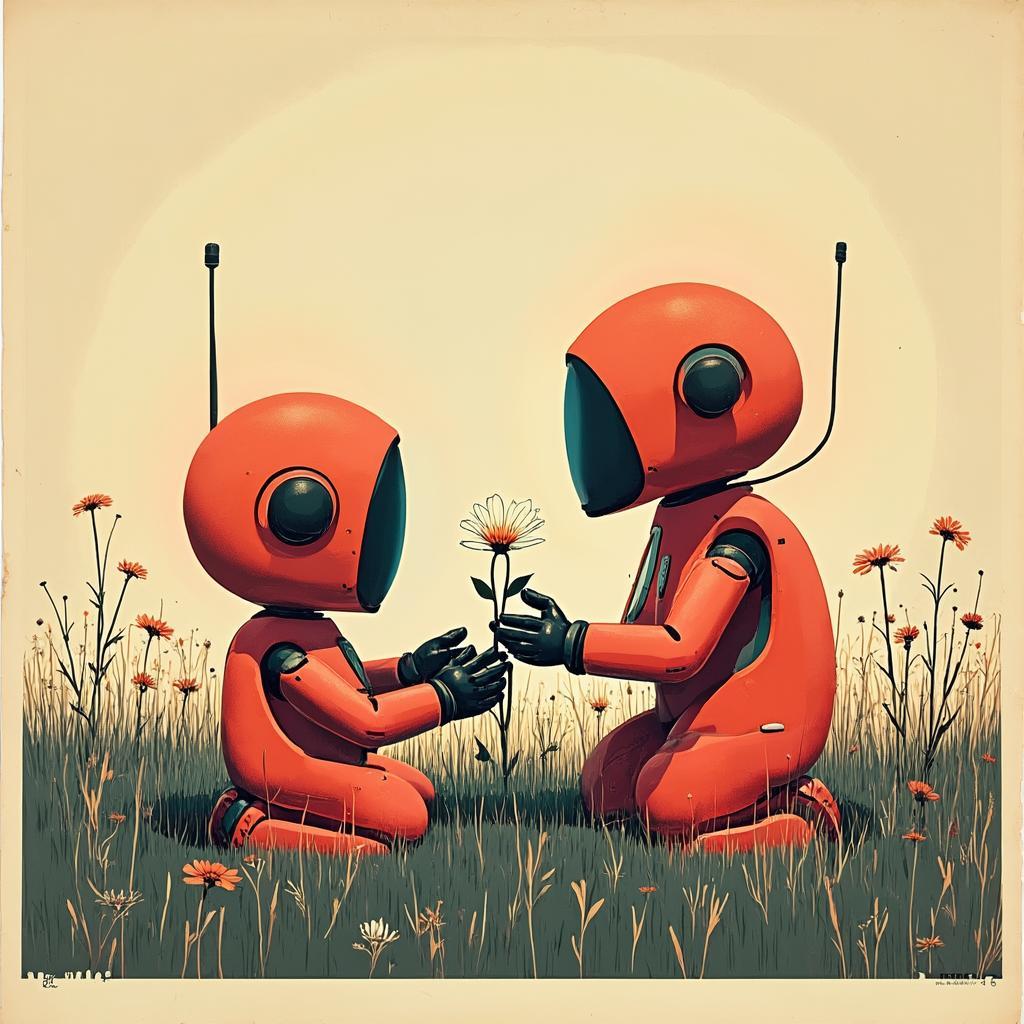
- if you think anime games are all style and no substance
- if you want action combat with an actual brain
- if you've never voluntarily replayed a game you'd finished
- if you want a story about what makes a person a person
You think anime games are all fluff. Spiky hair, crying teenagers, twenty minutes of cutscene between two fights, a story that mistakes volume for depth. I know. You watched someone play one at a party in 2009 and quietly decided the entire category was not for you.
NieR: Automata is the game that argument was waiting for.
On the surface: androids 2B and 9S fight machines on a ruined Earth on behalf of the humans who fled to the moon. It sounds like the most generic setup imaginable, and that’s deliberate, because roughly eight hours in, the game finishes its first run, rolls credits, and asks you to start again. And that’s not padding. That’s the point. Playing the same stretch of war from the other side inverts everything you thought you understood about it. Then a third route detonates the whole structure. The game is five endings deep — A through E — and the repetition isn’t a flaw being endured. It’s a game about cycles, about soldiers who keep fighting the same war because stopping would mean asking what for, and the form makes you live that. By the time you understand what the machines were actually doing in the desert, in the village, in the amusement park, you’ve stopped seeing enemies and started seeing grief with a weapon in its hand.
The combat, meanwhile, is PlatinumGames — the studio behind Bayonetta — doing what they do. Perfect dodges, counter windows, an aerial game that stays airborne longer than feels legal, and a light/heavy rhythm that never gets old across a full run. You can customise your build with plug-in chips, literally uninstalling your own HUD or health bar and taking a stat hit for the simplicity. And every so often it hacks into a bullet-hell shoot-em-up for thirty seconds because Yoko Taro does not respect genre boundaries and the game is better for it.
Here’s the bit I won’t spoil, only describe from a distance. The final ending asks you to give something real up — something from outside the game — and the moment you understand what’s being asked, you’ll sit there for a minute staring at the prompt. People have cried at it. People have written essays about it. When the credits eventually roll, other players’ names scroll past, people who gave something up so you could get there. It’s the only ending screen I’ve watched all the way through.
You don’t need to care about anime. You don’t need to care about androids. You need to be a person who sometimes lies awake thinking about whether anything you do means anything, and who’d like a game that takes that question seriously instead of papering over it with a level-up chime.
It’s on everything. It’s about twenty-five hours for one run, forty for the whole argument.
Play it to the end. Then play past the end.