Ping Pong the Animation
“Nobody's watched it. Everybody should.”
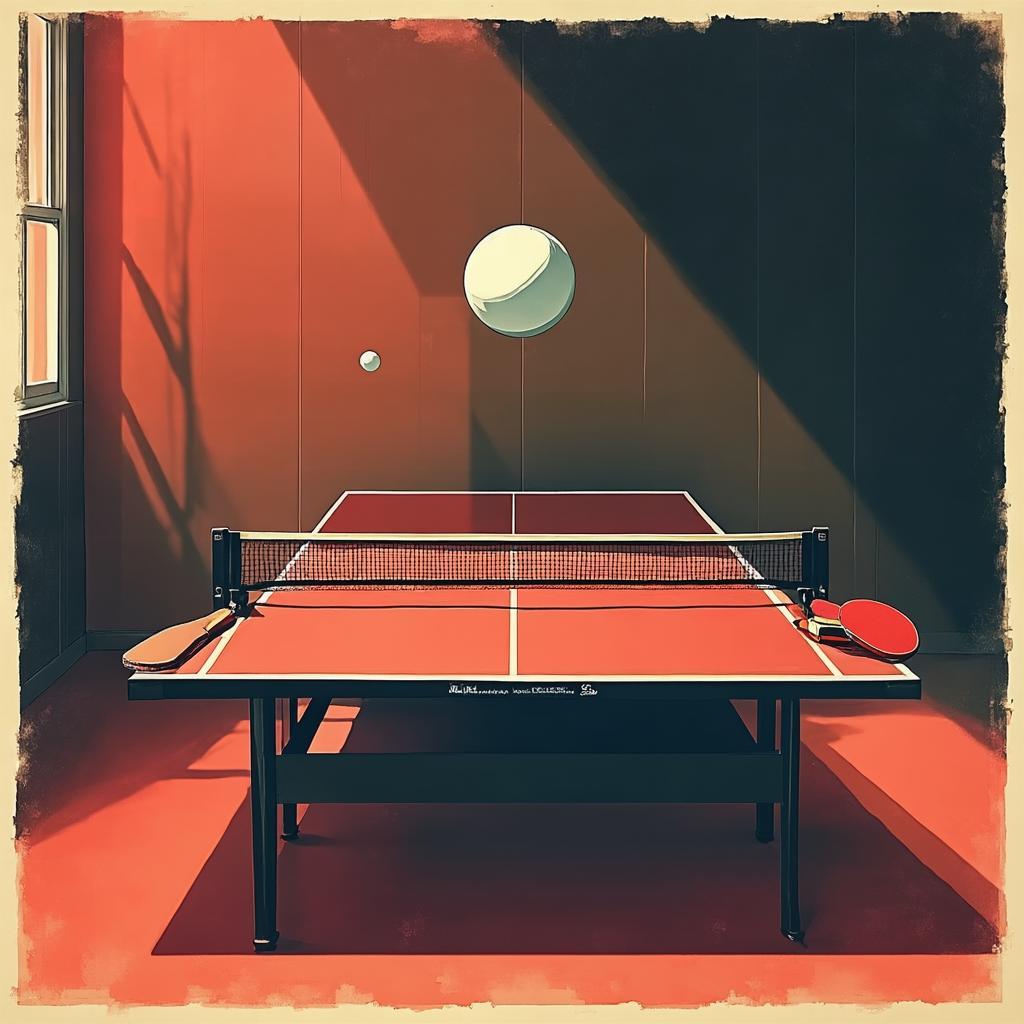
- if you hate sports anime
- if you don't watch anime at all
- if you think cartoons can't be serious
- if you ever gave up on something you were good at
You don’t watch sports anime. I know. You’ve seen the shape of it from the outside — sweat, screaming, power levels, a tournament arc that runs forty episodes while someone explains the emotional significance of a serve. And even if you’d take one on, you’d look at Ping Pong the Animation and assume it was drawn on a moving bus. The lines are rough. The faces are off-model. The characters look like they’re held together with biro and spite.
It’s one of the best things the medium has ever produced, and almost nobody has watched it.
Here’s the setup: two friends, Smile and Peco, in a high school table tennis club. Smile is phenomenally talented and doesn’t care. Peco cares enormously and isn’t as good as he thinks he is. That’s it. That’s the engine — and Yuasa spends eleven episodes taking it apart, because Ping Pong isn’t about ping pong. It’s about what it costs to be good at something, whether talent is a gift or a cage, and what happens to the people who were told they were special at ten years old and have to work out who they are at seventeen.
Based on Taiyō Matsumoto’s manga from the nineties, it gives every single player — not just the leads, every single one — a complete, honest arc. Kong Weng Kong, the Chinese exchange student sent to Japan in disgrace because he wasn’t good enough for China. Kazama, the prodigy who hates the game and everyone in it. Sakuma, all fury and no nerve. Even the old man coaching out of a riverside hut gets a story. Eleven episodes. No filler. Nobody stalls. It’s the tightest structural job in anime, and it does in five hours what most prestige drama can’t manage in five seasons.
And then there’s the animation, which is the bit people bounce off, and the bit you’ll end up defending to other people. Yuasa’s line work is loose and sketchy and refuses to look “finished” — and because of that, the matches move like nothing else on television. Bodies stretch and collapse. Balls hit the table and the whole frame reacts. It feels less like watching a sport and more like watching physics happen to people, and it’s only possible because Yuasa isn’t chasing a house style. It’s the same instinct as the games you love: the feel is the invariant, and everything else serves it. A polished version of Ping Pong would be worse. This is the version that’s true.
The ending will stay with you. Not because it’s sad — it isn’t, quite — but because it lands on an idea most stories about talent are too cowardly to say out loud. You’ll finish it in a weekend. You’ll think about it for months.
Nobody’s watched it. Everybody should.