The Leftovers
“The mystery is never solved. That's the point.”
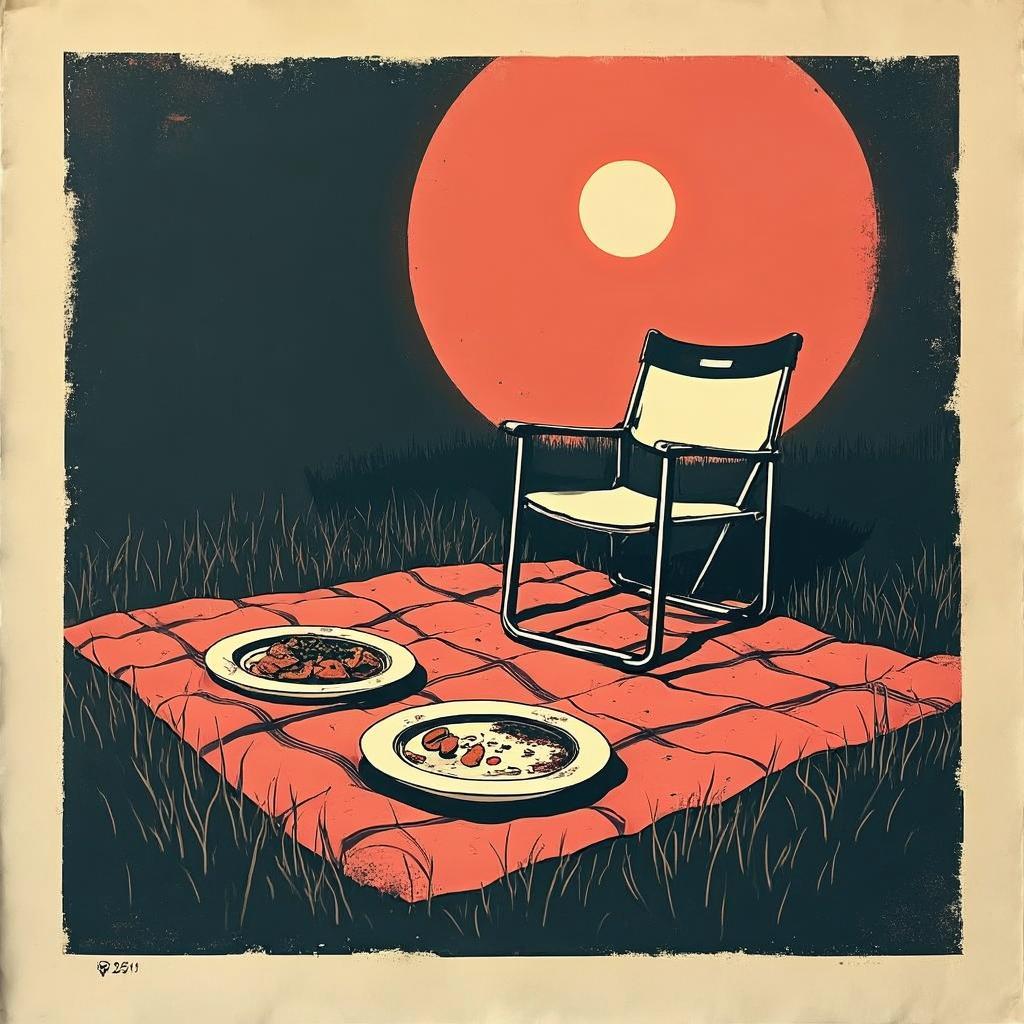
- if Lost's ending put you off Lindelof forever
- if a show about grief sounds unbearable
- if you want sci-fi that refuses to explain itself
- if you think prestige TV is just detectives and trauma
You watched Lost. You sat through six seasons of hatch-poking and smoke monsters and then the ending happened, and somewhere in your brain a quiet resolution formed: never trust Damon Lindelof again. I understand. I’m not here to relitigate that ending. I’m here to tell you he made the same mistake on purpose so you wouldn’t have to, and the result is the best American television of the last decade.
The Leftovers starts with a single unexplained event: on October 14th, two percent of the world’s population vanishes. No bodies, no pattern, no reason. Not a rapture — atheists, murderers and a Gary Busey-type vanish alongside priests and infants. And here’s the thing the show understands that almost nothing else does: the mystery is the trap. The question everyone in the world is asking — where did they go? — is a question the show will never answer, because answering it would turn grief into a puzzle, and grief is not a puzzle. It’s weather. You live in it.
So instead you get what’s left. Justin Theroux as a small-town police chief slowly coming apart. A cult called the Guilty Remnant who chain-smoke in white and take a vow of silence, because their entire philosophy is: nothing matters, and we will not let you pretend otherwise. Carrie Coon as Nora Durst, who lost her husband and both her children in a single afternoon and delivers a monologue in season one about her ordinary, unbearable days that is the most honest depiction of grief ever put on camera. I’m not being florid. It’s a woman describing buying groceries. You will need a minute.
The structure: season one is good. Seasons two and three are transcendent — the show stops adapting Tom Perrotta’s novel and goes feral, relocating to a Texas town the departed never touched, tourists queueing to stand where the miracle didn’t happen. It gets funnier, weirder, more willing to be about faith without ever picking a side. Max Richter’s score does half the emotional labour and the other half is performed by your own nervous system.
This is the pitch, though: the show earns its ambiguity. Every question it raises — the departures, the visions, a late-season wrinkle I won’t spoil — gets answered with more life, not less. Lindelof took the lesson of Lost and inverted it: the audience doesn’t need answers, they need the characters to need answers. The final episode is called “The Book of Nora” and it’s the most satisfying non-answer in television history.
You don’t watch shows about grief. I know. You get enough of it from existing. But this one is about the specific mechanics of carrying on when the universe declines to explain itself — and that, whether you’ve admitted it or not, is a show about you.
Three seasons. Twenty-eight episodes. Then you’ll spend a week wondering whether you watched sci-fi or a miracle, and you’ll never settle it, and that’s correct.