Vinland Saga
“A revenge epic whose true arc is learning to drop the sword.”
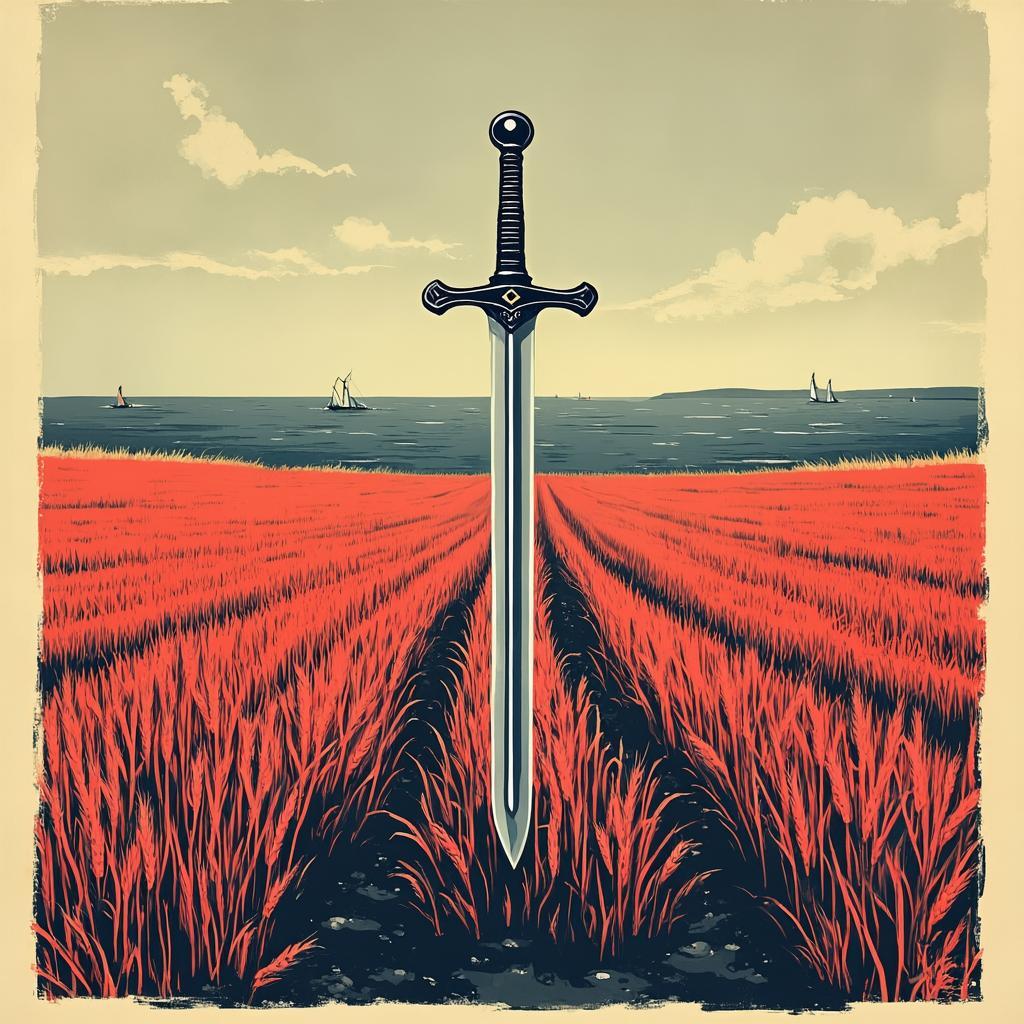
- if you think anime is power-ups and filler
- if you like prestige TV about the cost of violence
- if revenge plots usually lose you by episode ten
- if you want Vikings without the mythologising
You don’t watch anime. I know. You’ve seen the shonen stuff — the shouting, the power-ups, the episode where nothing happens because they’re saving budget. You’ve correctly identified that most of it is not made for a thirty-something with limited evenings, and you’ve moved on. Fair enough. Most of it isn’t for you.
Vinland Saga is.
Start with the setup, because it sounds like the most generic anime premise going: young Thorfinn’s father, a legendary warrior, is killed by mercenaries, and the boy swears revenge and joins the very band that killed him so he can earn a duel to the death with their leader. That is, genuinely, the plot of a hundred lesser shows. Here’s the difference — the show knows it. It spends its entire first season letting Thorfinn chase that revenge, and it is not a triumph. It’s a decomposition. You watch a child become the exact thing that destroyed him, one duel at a time, and the show refuses to give you a single cathartic moment for it. The revenge is not the arc. The revenge is the trap.
And then season two does something almost no series has the nerve to do. Without spoiling the mechanics of it: Thorfinn ends up a slave on a farm in Denmark, and the show becomes about learning to work land, to want nothing, to sit with what he’s done. No fights for entire stretches. The most gripping television of the year is a man deciding that violence has no more answers for him, and it earns every second because season one made you watch the bill come due. The manga’s author, Makoto Yukimura, is drawing from the actual sagas — this is Vikings as history, not mythology: poverty, politics, men with swords because there was nothing else to be.
The craft holds up the argument. Season one’s animation is brutal and grounded — weight in every blow, mud in every battle. Season two’s direction is quieter and more precise, because the war moved inside the characters. Nothing is stylised to make violence cool. When someone dies here, it’s ugly and cheap, the way it actually was.
This is the show for people who liked Better Call Saul’s long con of a redemption arc, who think the best war stories are anti-war stories, who want their epic television to actually argue something rather than gesture at themes in the finale. It’s a bridge built for you specifically — no anime literacy required, no lore to memorise, no filler. Just a story about a man who spends twenty-four episodes learning that his entire life’s purpose was a lie someone told a grieving child.
You think anime is power-ups and filler. This one is about putting the sword down. Watch it anyway.