The Wind-Up Bird Chronicle
“A man sits in a well and everything means something.”
- if you think literary fiction is where plots go to die
- if you read genre fiction and want something with the same pull but stranger
- if you like stories that trust you to not need everything explained
- if you want history's weight in a book about a man and his cat
You don’t read literary fiction. I know. Nothing happens in it. Six hundred pages of a man feeling ambivalent about his father, and then the man feels slightly less ambivalent, and everyone calls it a masterpiece. You’ve got a finite number of hours and you’d rather spend them on stories where things actually happen.
The Wind-Up Bird Chronicle is where things happen. Slowly, obliquely, and underneath your skin, but they happen.
Toru Okada is thirtyish, unemployed, and pottering around his Tokyo house when his cat vanishes. Then his wife. Then the phone calls start — strangers who know things about him they shouldn’t, a psychic sister act called Malta and Creta Kano, a sixteen-year-old named May Kasahara who asks him, with total sincerity, why he isn’t dead yet. The plot machinery of a thriller is all here: missing persons, a villainous brother-in-law climbing towards political power, buried secrets, money moving in the dark. Murakami just refuses to fire any of it in the way a thriller would. Clues arrive as dreams. Violence arrives offstage. The most important scene in the book might be a veteran’s account of a wartime atrocity in Manchuria, delivered in a single unbroken monologue that reframes everything around it.
Because that’s the thing people miss about this book: it’s about history. The Second World War isn’t backstory, it’s pressure — the Nomonhan campaign, the cruelties of the Japanese army, the way unspoken violence in one generation quietly arranges the furniture in the next. The mundane surface of 1980s Tokyo (cooking spaghetti, answering the phone, drinking beer) turns out to be sitting directly on top of it. Every domestic detail is load-bearing.
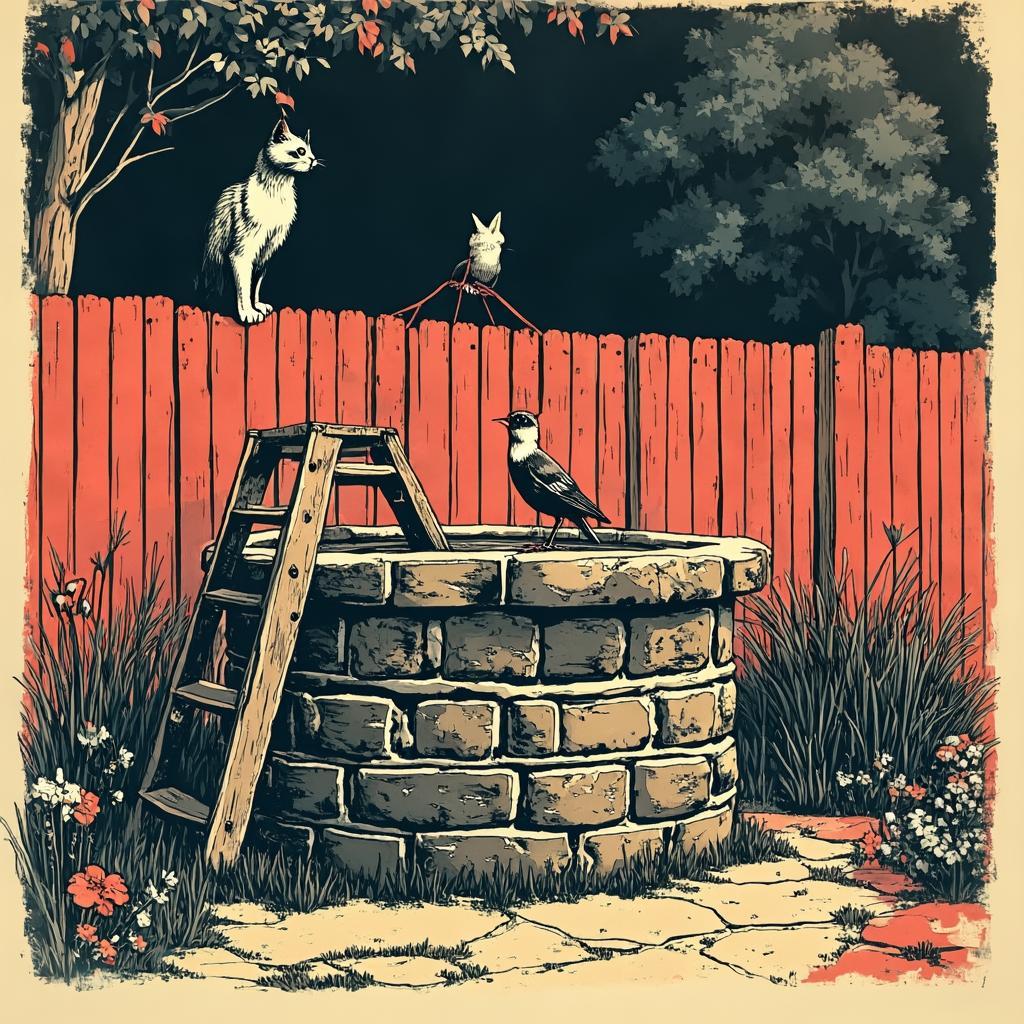
And the well. Toru climbs down into a dry well in a vacant lot and sits there, sometimes for days, because it’s the only place the world stops making noise. It sounds like nothing. It’s the best writing in the book. The well becomes a room where his mind actually works, and by the end it’s the most dangerous place in Tokyo.
Will it all resolve cleanly? No. Murakami withholds on purpose, and if you need every thread tied, this will drive you up the wall. But it resolves emotionally, which is the part most novels never manage, and the texture of it — the heat, the phone calls at 10pm, the sound of a wind-up bird you never quite see — will still be sitting in your head a month later.
You’ve put a hundred hours into a JRPG that opened at the pace of continental drift. You know the deal: the slow build is the point, the patience is the payment, and what you get on the other side is something a twelve-hour spectacle can’t buy you. This is that. In book form. With a cat.
Start it on a quiet week. You’ll want the room.